
Beginnings
The Bandra Gymkhana was inaugurated on the 4th of May, 1935,
in a glittering ceremony presided over by the Governor of Bombay, Lord Brabourne, pictured in the banner above.
|
The Gymkhana owes its existence to the benevolence of Dr. D.A D'Monte, a prominent citizen of Bandra. Dr. D'Monte donated about 7,592 square yards of land to the Salcette Society, as well as a gave a gift of Rs. 5,000 and a loan of Rs. 15,000. In addition, he gave a gift of Rs. 8,000 in the name of his deceased brother Monsingor Braz D'Monte. This plot was combined with some other land accessed by the Salcette Society to form an overall plot of about 11,000 square yards in size. This was divided roughly in half, one half forming a park named the D'Monte Park, and the other to create tennis courts and a club called the Bandra Gymkhana. |
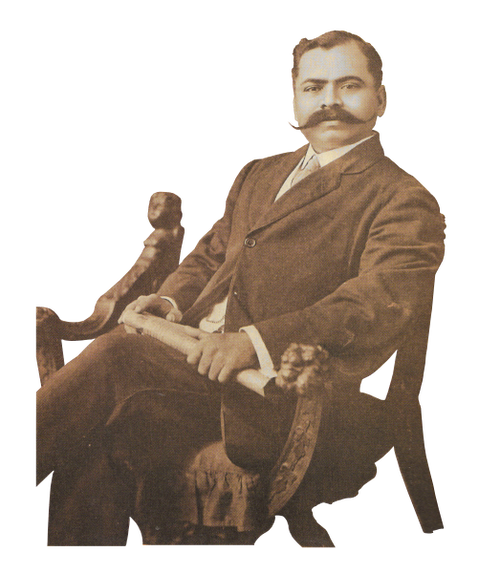
Dr. D.A. D'Monte
|
The construction of the building started on 22nd April, 1934, when the foundation stone was laid by Mrs Bell, in the unavoidable absence of her husband Mr. R.D Bell, Home Member, Goverment of Bombay Presidency. His grace, Dr. Joachim R. Lima, Archbishop of Bombay blessed the foundation stone.
|
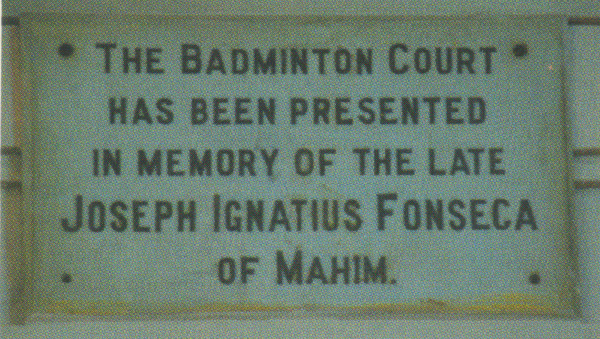
The cost of construction of the building including the furniture, crockery cutlery, and linen for 500 members amounted to Rs. 70,000, a princely sum in those days. The family of Joseph Ignatius Fonseca of Mahim contributed Rs. 5,000 towards the cost of the Badminton Hall, also called the East Indian Hall in his memory. |
Mr. D.J. Ferreira, a prominent solicitor and Chairman of the Salcette Society, was instrumental in involving Dr. D.A. D'Monte and his wife, Dr. Cecilia Rose D'Monte in setting up "a good Catholic club which would promote the cause of sports, competitions, tournaments and provide social recreation".
The first Trustees of the Gym were Dr. Dominic Anaclete D'Monte, Leo Rodrigues (the erstwhile Administrator-General of Bombay) and J.S Pereira.
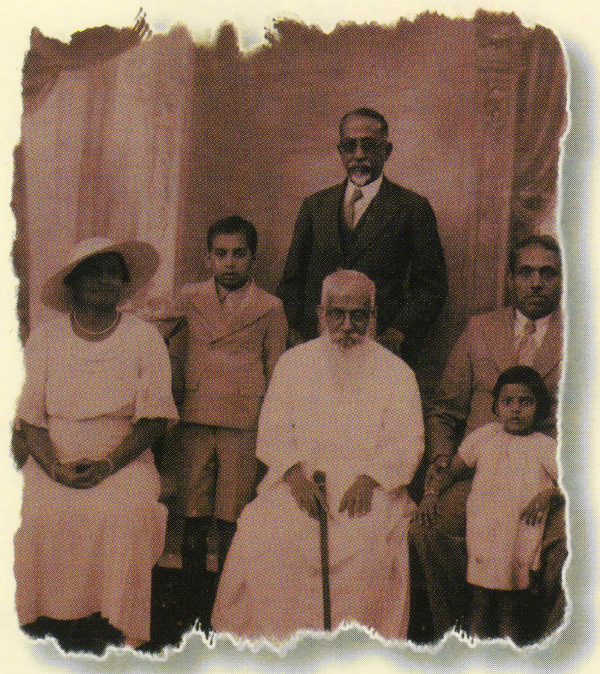
D.J. Ferreira (standing)
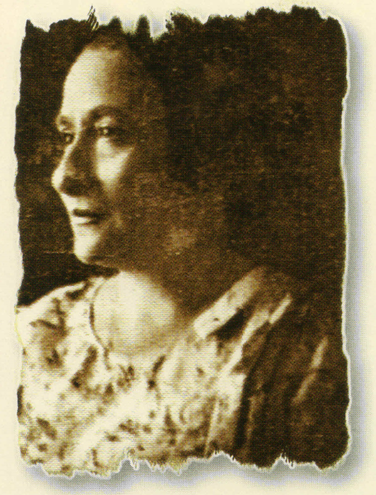
Cecilia Rose D'Monte
|
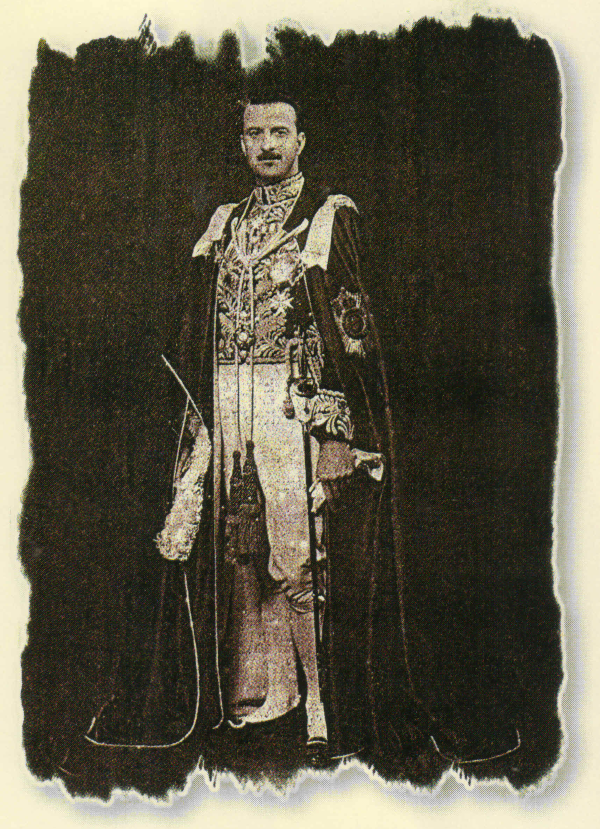
Lord Brabourne, Governor of Bombay
|
Architecture
|
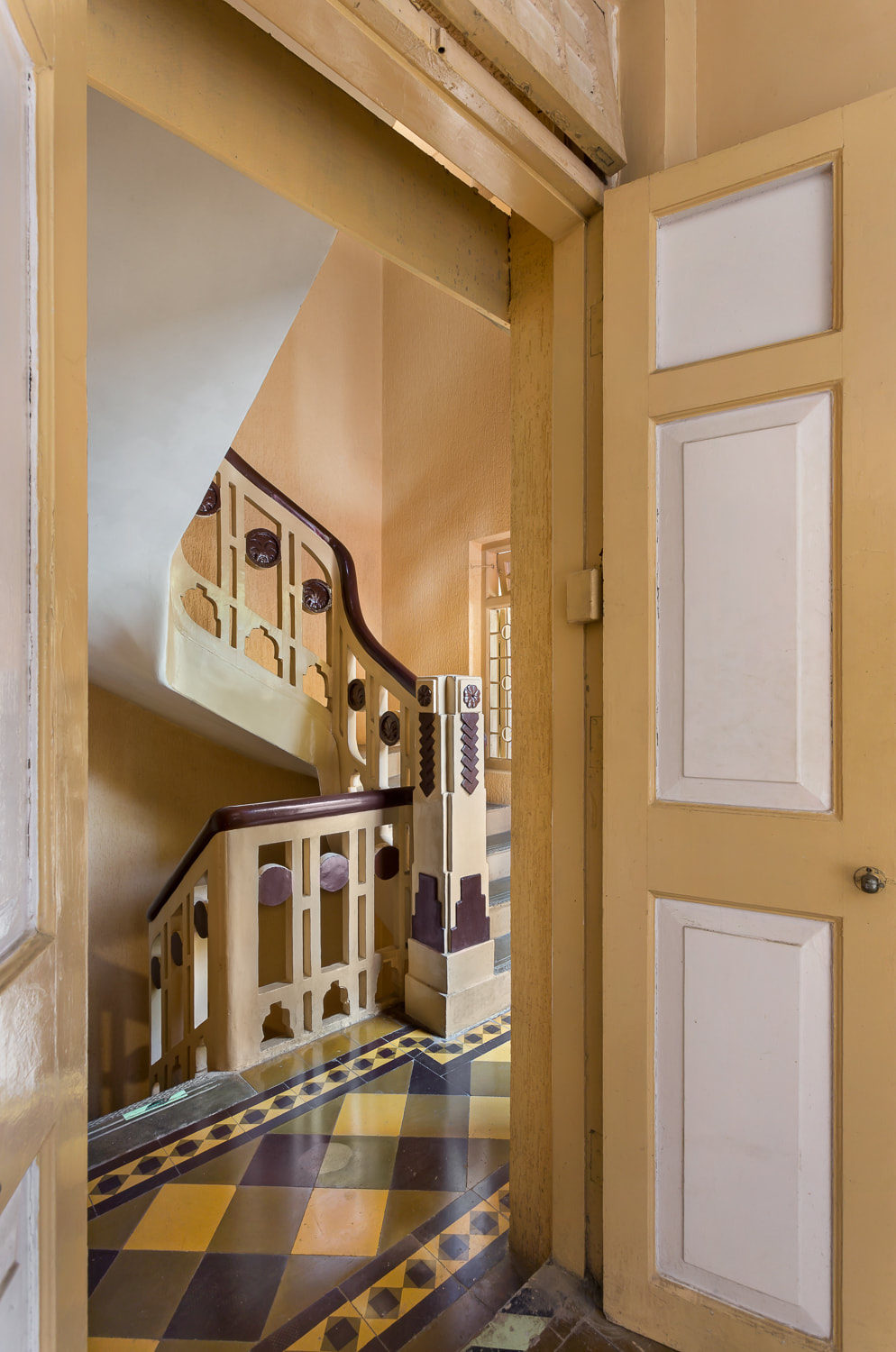
An eminent architect, EC Henriques, consulting architect to the Government of Bombay, was appointed to design the Pavilion. It was the first Pavilion in Bombay to feature an indoor Badminton Court. In testament to its quality, the original floor is still in existence some 80-plus years later, having being used almost every day since 1935!
EC Henriques was also the architect of the St. Peter's Church on Hill Road, an architectural marvel. |
|
The History of the East Indian Community
by Herman and Dennis Rodrigues
The ‘East Indians’ are the descendants of the indigenous, Marathi-speaking people of Mumbai and its environs, situated broadly from Dahanu in the north to Chaul in the south, who were converted to Christianity in the last decades of the 1500s. Most of the converts assumed the Portuguese surname of the priest who baptised them or of their sponsor. The converts were drawn from diverse social groups and there was also a smaller number of Indo-Portuguese, but most of the latter left for Bombay or Goa after the Maratha Conquest.
Though they shared a common faith, the primary identity of those who remained, both among themselves and with their neighbours, was their caste and they maintained their social and cultural distances especially with regard to marriage etc. The sense of a common identity developed slowly and with the take-over by the British they began to be known as Portuguese Christians. From the mid nineteenth century there was an increase in the number of migrants from Goa who were also termed Portuguese Christians. The migrants for the most part still retained an 'umbilical relationship' with Goa and Portugal, unlike the locals who were connected both culturally and politically to the British. The locals now began to feel the need to distinguish themselves from these ‘other classes with Portuguese names’. At a meeting on 26th May 1887, a group of these Bombay citizens decided that from then on, the designation of their community would change from ‘Bombay Portuguese’ to ‘Bombay East Indian’.
The choice of the term ‘East Indian’ has given rise to much confusion and misrepresentation. The closest we can find to an ‘official’ explanation is given in an article in East Indian Golden Jubilee Souvenir of 1937. It links the choice to an earlier group in Calcutta who had taken on the same name around 1830. This was a group of Anglo-Indians, Armenians and people of mixed race with Portuguese and other European ancestry. This group, like the Bombay East Indians wanted to affirm their own affinity with the British not just ethnically but also culturally and in their Christian religion. This designation was officially accepted by the British parliament and also by the Bombay Government. In fact there were publications in Bombay in the early 1800s which listed the names of ‘Europeans and East Indians’, and in this list were many of the original signatories of the May 1887 Declaration. However over time, as the number of Goa Portuguese most of whom retained their Portuguese nationality increased, the term ‘East Indian’ was dropped to be replaced by ‘Portuguese’ to cover both Bombay and Goa Portuguese. So when the ‘Bombay Portuguese’ wanted a name to both distinguish themselves from the ‘Goa Portuguese’ and also affirm the lack of dual loyalties, they reclaimed the term East Indian with all the resonances of a distinct British identity as opposed to the dual loyalties of the Goa Portuguese.
The ‘East Indians’ are the descendants of the indigenous, Marathi-speaking people of Mumbai and its environs, situated broadly from Dahanu in the north to Chaul in the south, who were converted to Christianity in the last decades of the 1500s. Most of the converts assumed the Portuguese surname of the priest who baptised them or of their sponsor. The converts were drawn from diverse social groups and there was also a smaller number of Indo-Portuguese, but most of the latter left for Bombay or Goa after the Maratha Conquest.
Though they shared a common faith, the primary identity of those who remained, both among themselves and with their neighbours, was their caste and they maintained their social and cultural distances especially with regard to marriage etc. The sense of a common identity developed slowly and with the take-over by the British they began to be known as Portuguese Christians. From the mid nineteenth century there was an increase in the number of migrants from Goa who were also termed Portuguese Christians. The migrants for the most part still retained an 'umbilical relationship' with Goa and Portugal, unlike the locals who were connected both culturally and politically to the British. The locals now began to feel the need to distinguish themselves from these ‘other classes with Portuguese names’. At a meeting on 26th May 1887, a group of these Bombay citizens decided that from then on, the designation of their community would change from ‘Bombay Portuguese’ to ‘Bombay East Indian’.
The choice of the term ‘East Indian’ has given rise to much confusion and misrepresentation. The closest we can find to an ‘official’ explanation is given in an article in East Indian Golden Jubilee Souvenir of 1937. It links the choice to an earlier group in Calcutta who had taken on the same name around 1830. This was a group of Anglo-Indians, Armenians and people of mixed race with Portuguese and other European ancestry. This group, like the Bombay East Indians wanted to affirm their own affinity with the British not just ethnically but also culturally and in their Christian religion. This designation was officially accepted by the British parliament and also by the Bombay Government. In fact there were publications in Bombay in the early 1800s which listed the names of ‘Europeans and East Indians’, and in this list were many of the original signatories of the May 1887 Declaration. However over time, as the number of Goa Portuguese most of whom retained their Portuguese nationality increased, the term ‘East Indian’ was dropped to be replaced by ‘Portuguese’ to cover both Bombay and Goa Portuguese. So when the ‘Bombay Portuguese’ wanted a name to both distinguish themselves from the ‘Goa Portuguese’ and also affirm the lack of dual loyalties, they reclaimed the term East Indian with all the resonances of a distinct British identity as opposed to the dual loyalties of the Goa Portuguese.